Lines of frilly green lettuce, bouquets of plump cauliflower, and sunny pumpkin blossoms burst from the soil at the Ōhaupō Community Gardens in Kirikiriroa. On this crisp winter morning, the vege patch would look at home nestled in the hills of Hobbiton.
The site isn’t a movie set, but a communal, edible garden cared for by a group of neurodivergent and disabled adults as part of Edvance’s Good to Great education programme.
The learners — a crew of 11 adults, many of whom have autism spectrum disorder — have nurtured the garden into a flourishing patch overflowing with fresh herbs, capsicums, tomatoes, carrots, chives, and silverbeet. Nearby sits a new chook pen.
“This is Heihei, our biggest chicken!” announces learner Jayden, clutching a hen close to his chest.
“No silly, that’s not Heihei, Heihei is over there!” says classmate Holly, pointing to a group of chickens pecking at corn. When the chicks were young, the learners only named the largest in the clutch. Now they have all grown to a similar size.
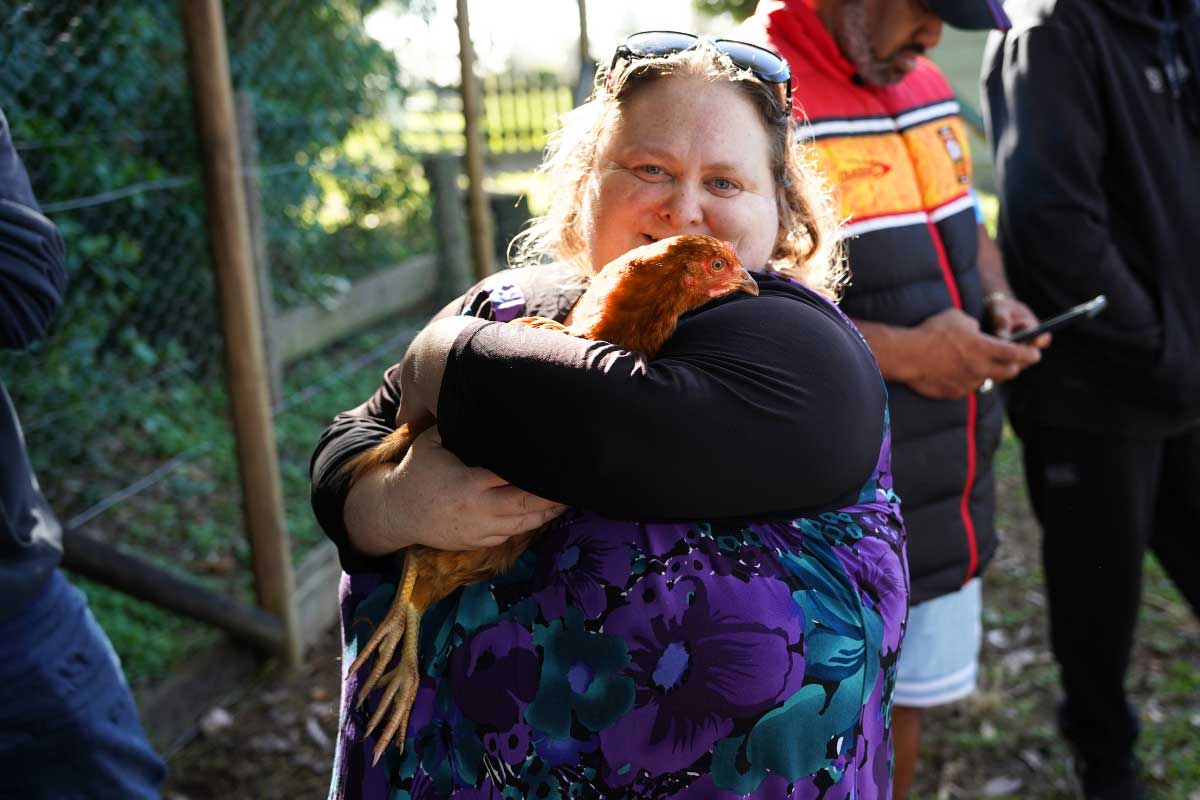
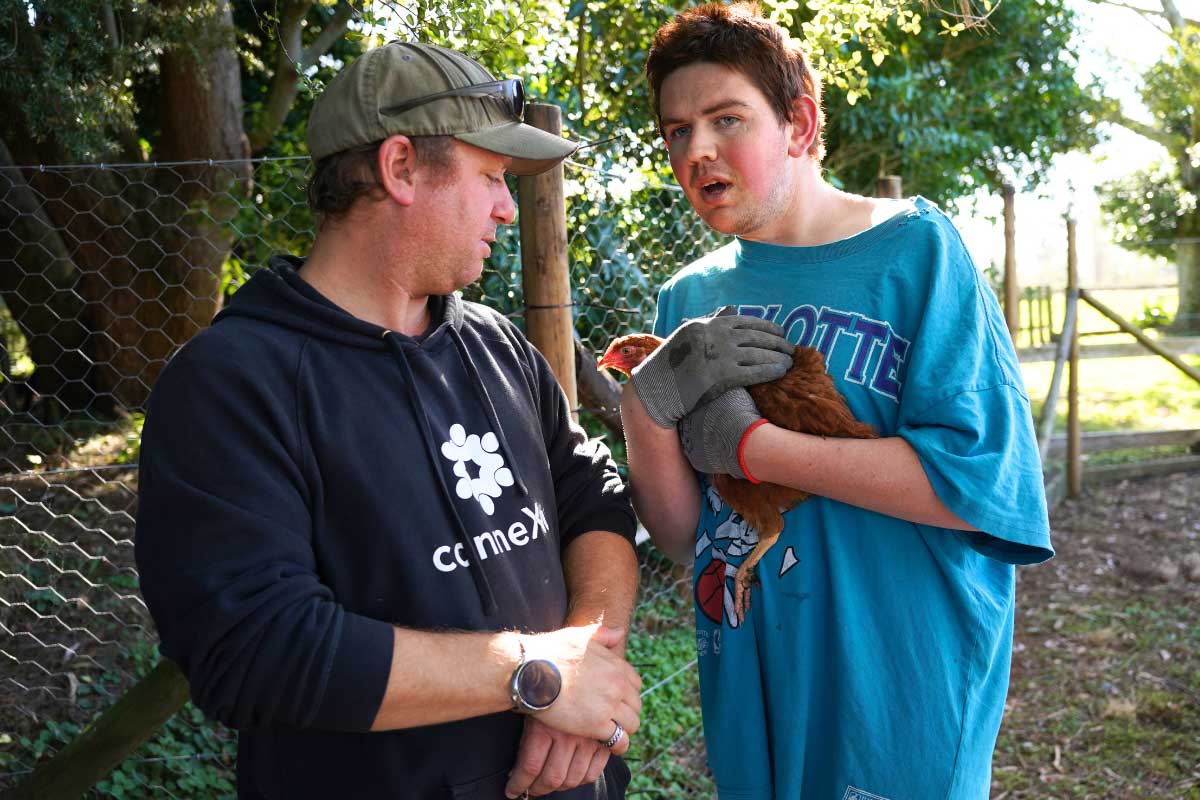
Learners Kaa, Jayden, and Holly with the suspected Heihei
Throughout the week, the learners spend time in the classroom improving their literacy and numeracy. On Fridays, they head out to the garden, managed by disability support service Community Living’s Nico Manocha.
It was Manocha’s idea to invite the learners to provide fresh, free produce for Community Living’s housing inhabitants: people with specific disabilities and complex needs.
“It’s so they can have free veggies and stuff, to cook them at home,” says learner Caleb. “It makes me really proud to be giving back to people, and that the community knows we care about them.”
It’s surprising how many opportunities arise for literacy and numeracy practice when planning and maintaining a community garden. Facilitator Julia Bruce-Mayne doesn’t miss a single one.
“We have measured depth and spacing, created watering schedules, presented growth observations, and calculated how many chickens we can keep in our new coop. But at its core, the main focus of the programme is for the learners to develop a sense of purpose and independence in whichever area they want to grow into,” says Julia.
Learners like Kaa and Ryan have unlocked greater independence through the programme, with Kaa now running a carpool from Hamilton to the community garden site, and Ryan now independently texting family and friends.
“I remember Ryan’s family asking, ‘Who is texting us through Ryan’s phone?’ and I was like, ‘It’s Ryan!’” laughs Julia.
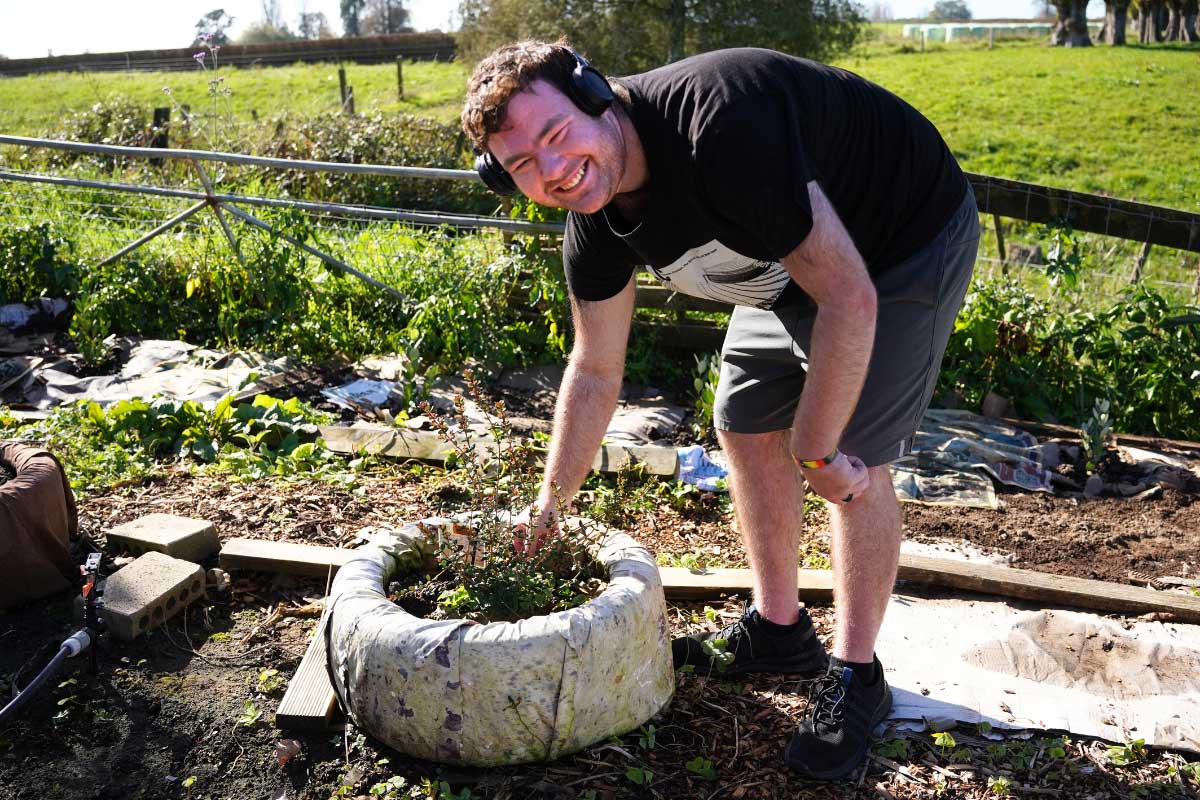
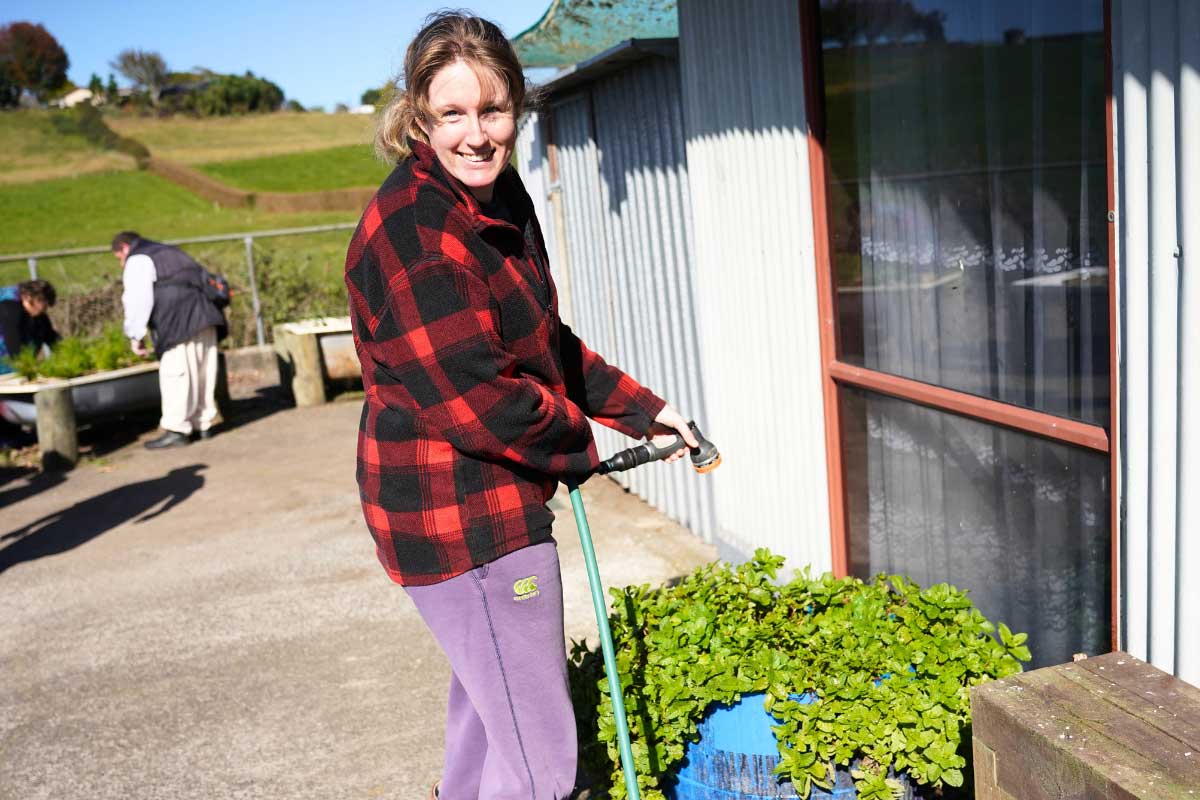
Caleb and Maggie tend to their crops. Maggie says her teacher Julia is “marvelous at helping everyone with their struggles.”
It’s become common to say heartfelt goodbyes to learners at graduation, only to see them walk back through the door again when the next cohort begins. And it’s easy to see why.
“I’ve done this course like, three times,” says Olivia, who recently gained her full driver licence thanks to the confidence she developed through the programme. “I love everything about Good to Great… it’s helped me so much with my confidence, my literacy, and my maths.”
The classmates jostle and joke with each other, and it is clear their friendships run deep. When Kaa goes to tickle his friend Holly’s neck with a chicken feather, she already knows it’s coming.
This warm, inclusive environment is a stark contrast to many of the adults’ experiences at school.
For Holly, she left school at 15 after feeling unaccepted by both staff and students.
“I’ve always had a hard time at school, and I was bullied a lot. It made me scared to go back to study, until I came to Good to Great. I just love it.”
For Jayden, he’s now a “completely different person. I’ve gone through a lot over the years, and this course has changed my life. We learn not to be mean to each other, and to communicate.”
That is the value of community, says Edvance Programme Manager Amie Jefferies. “Literacy and numeracy enable a better quality of life. It goes in a circle: they are learning, which improves their wellbeing, and therefore their participation in society.
“Ultimately, being part of a community is what makes people flourish.”
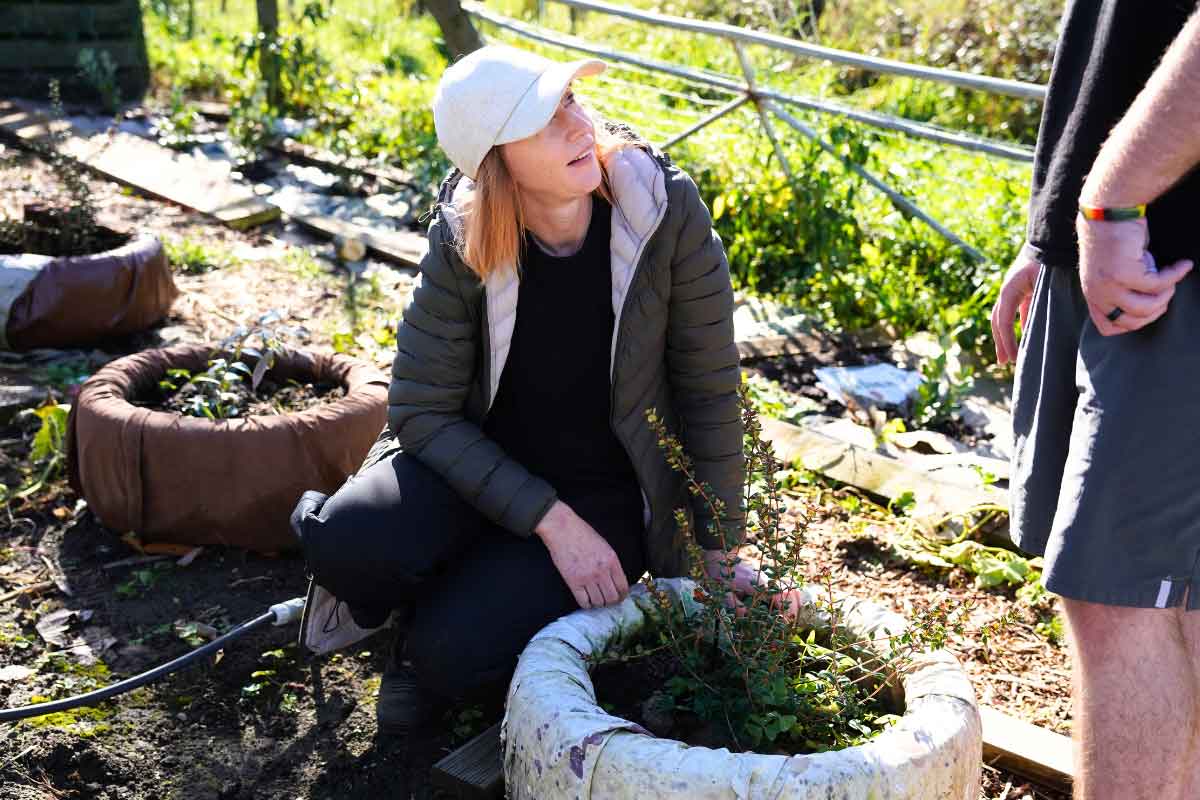
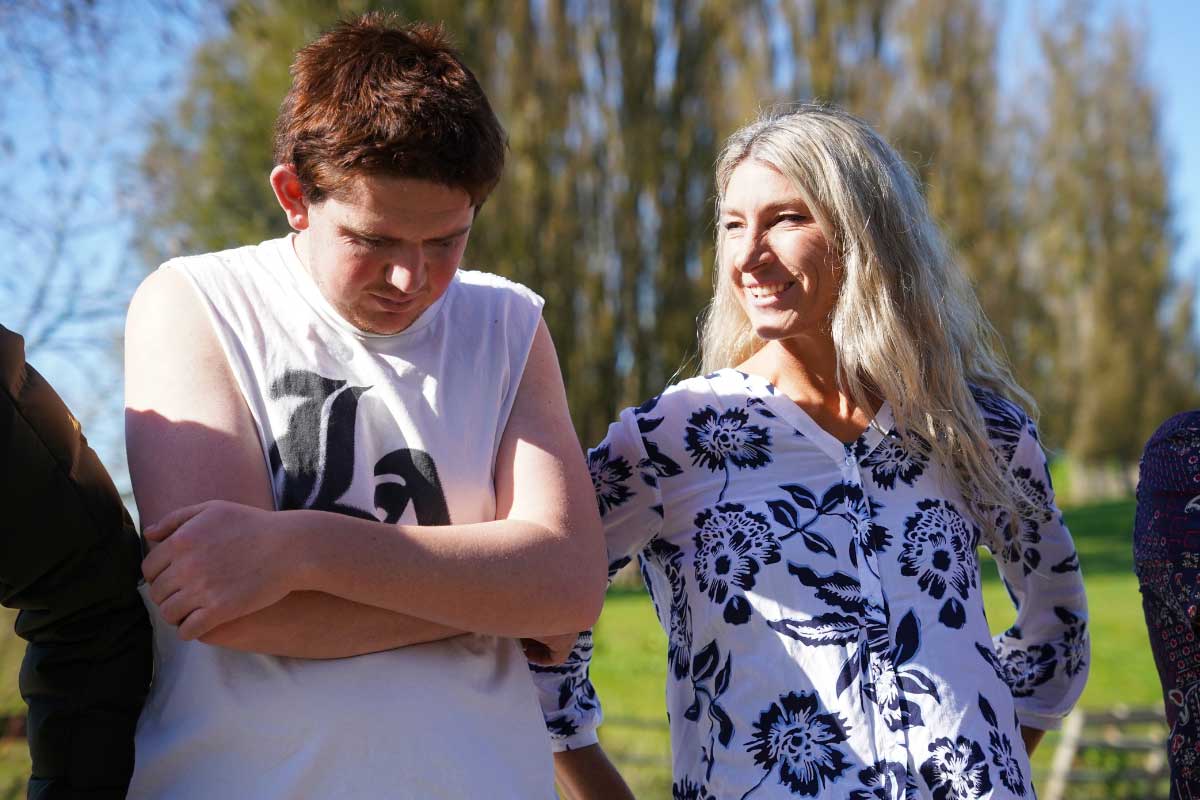
On the left: Facilitator Julia. On the right: Programme Manager Amie hangs out with Jayden
Facilitator Julia has been teaching Edvance’s Good to Great programme in Kirikiriroa since 2024. She works across a variety of workplace learning contexts, including leadership, communication, and vocational rehabilitation, but says Good to Great is among her most meaningful work.
“Helping people grow in ways they didn’t think they were capable of is beyond rewarding, really. Each learner is capable in so many ways, and that capability is sometimes overlooked. But they bring strength, and what’s been great is watching them recognise that.”
Good to Great aims to create a safe, inclusive learning environment where learners are supported to build confidence, independence, and practical skills at their own pace. Trainers take time to understand individual needs, shaping learning around each group.
Through Tertiary Education Commission funding, the programme is fully free for eligible learners with qualifications below NZQA Level 5, or none at all.
“They even get provided with a folder and a pen — all they need to do is bring their morning tea. Let’s just say it’s certainly not for profit,” laughs Amie. “We are in it for the love.”
Do you know someone who would benefit from Good to Great? Check out the programme here.
© 2026 Edvance Workplace Education. All Rights Reserved | Domestic Code Review | Privacy Policy | Terms & Conditions | Website Design by Virtual Innovation